
Missouri Betting Market Opens with Massive Digital Footprint
Missouri officially opened its digital doors to legal sports betting at 12:01 a.m. on December 1, 2025. The launch ended years of legislative deadlock and immediately triggered a flood of activity. Early data from GeoComply suggests the state is quickly becoming a heavyweight in the national wagering environment, with millions of interactions recorded in the first day alone.
Unprecedented Initial Demand
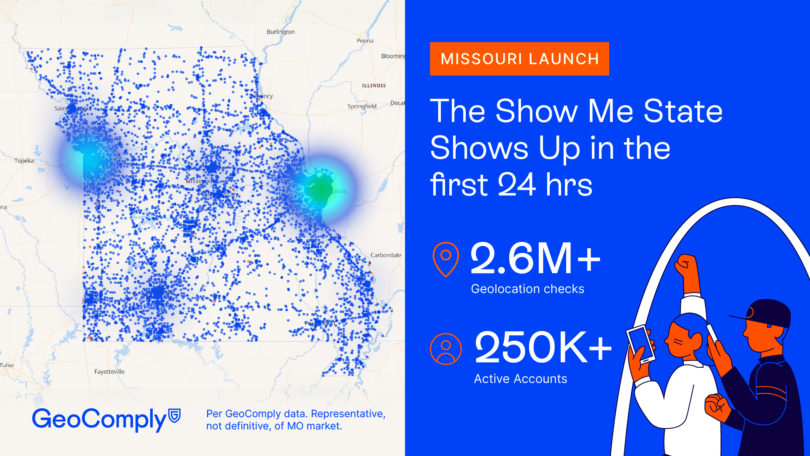
GeoComply, the firm responsible for verifying user locations for regulatory compliance, reported staggering figures for the opening 24 hours.
The company processed over 2.6 million geolocation checks within state lines. This volume was driven by more than 250,000 active betting accounts, signaling high engagement right out of the gate.
The demand was evident even before the market went live. During the pre-registration window, which ran from November 17 to November 30, nearly 188,000 residents created accounts.
Kip Levin, CEO of GeoComply, noted that the immediate influx demonstrates how quickly consumers accept regulated options when they become available.
The firm expects to release deeper analytics following the first full week of NFL action, specifically looking at traffic patterns surrounding the Kansas City Chiefs game.
Current projections estimate that the total handle (amount wagered) for December could exceed $425 million.
A Complex Licensing Structure
The Missouri Gaming Commission structured the market with two distinct entry paths. Operators could apply for standard “tethered” licenses, requiring a partnership with a casino or sports team, or pay a premium for “untethered” access.
DraftKings and Circa Sports secured the two available independent licenses. These companies paid a $500,000 fee, double the standard rate, and underwent rigorous platform vetting to operate without a local anchor.
Other major players formed strategic alliances to enter the jurisdiction. FanDuel partnered with Major League Soccer’s St. Louis CITY SC after missing out on an untethered spot.
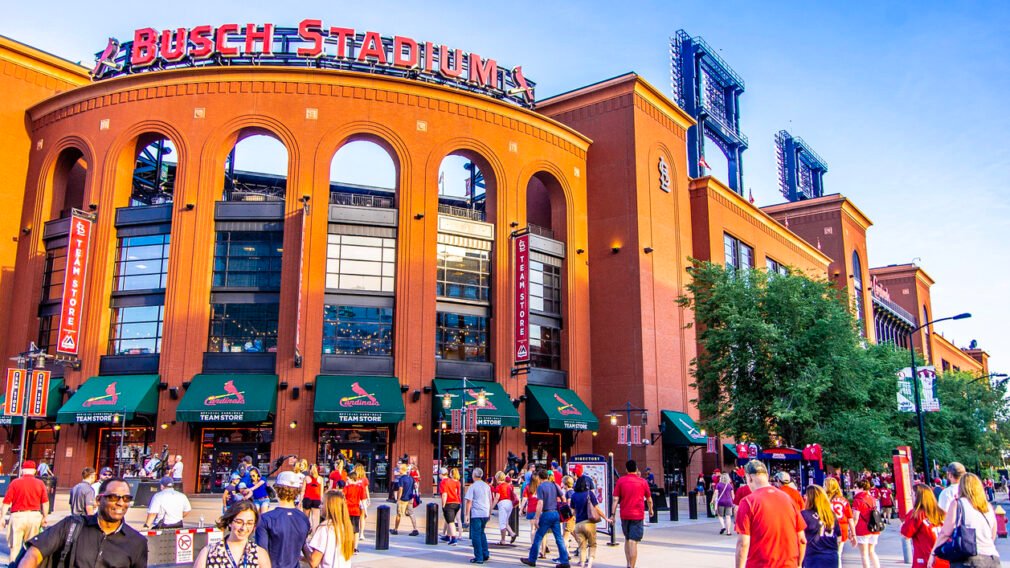
Similarly, bet365 aligned with the St. Louis Cardinals, and Fanatics linked up with Boyd Gaming. Caesars Sportsbook utilized its existing physical footprint, launching through its Harrah’s and Horseshoe properties.
A notable shift in strategy came from Penn Entertainment. The company chose to launch under its theScore Bet brand rather than ESPN Bet.
Conversely, Underdog Sports withdrew its application entirely to focus on prediction markets, though it retains a fantasy sports presence in the state.
Economic Rules and Regional Rivalry
The state set a competitive tax rate of 10% on adjusted gross revenue, creating a favorable business environment for operators. Regulators also established specific guardrails for collegiate sports.
While bettors can wager on the outcomes of games involving local teams like the Missouri Tigers, “prop bets” on individual college athlete performances remain prohibited.
The launch also alters the economics of the Midwest. Neighboring Kansas is bracing for a revenue decline, as Missouri residents no longer need to cross the state line to place legal wagers.
To capture this repatriated audience, operators are spending heavily on local marketing. BetMGM enlisted actor and St. Louis native Jon Hamm for its campaign, while FanDuel donated $300,000 to a local charity to build goodwill.
Recommended